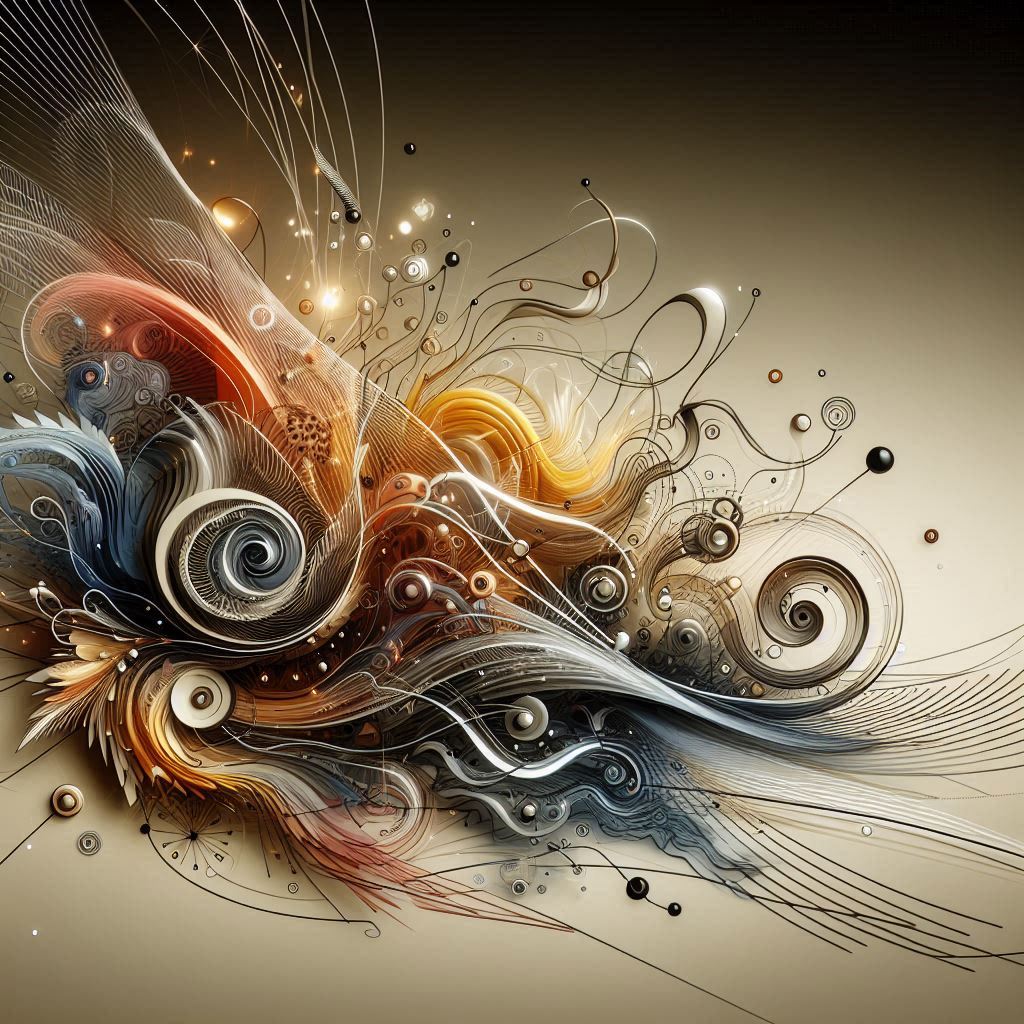


Design tells stories
Design tells stories; it’s the designer’s language through design.
Introduction: Design is not just a form; it’s a language. Good design is not only seen but also felt. It’s not simply a collection of arranged elements, but a story told through color, line, rhythm, and space.
Design tells stories
Design tells stories; it’s the designer’s language through design.
Introduction: Design is not just a form; it’s a language. Good design is not only seen but also felt. It’s not simply a collection of arranged elements, but a story told through color, line, rhythm, and space.
A visual story is what brings design to life-it makes the viewer pause, reflect, and feel that there is meaning behind every detail
A design without a story… loses its soul
Why do we tell stories through design
Because humans don’t react to information… but to stories
: A story
Evokes emotions
Holds attention
Facilitates understanding
Creates an emotional connection
And gives design depth that transcends its outward appearance
A design that tells a story becomes an experience, not just an image
Elements of Visual Narrative
a) The Core Message
: Every story begins with a question
? What do I want to say
A design should convey one clear message; however simple it may be
b) Visual Character
This is the “soul” of the design—the style, tone, mood, and identity that distinguishes it from others
c) Visual Flow
How does the eye move from one element to another
Flow is what makes the story move
d) Symbols and Allusions
A small symbol can carry a big meaning
Symbols add layers of depth without the need for words
Color as a Silent Narrator
Colors are not just a background
They are emotions
Blue tells a story of confidence and tranquility
Red tells a story of strength and passion
Yellow tells a story of light and inspiration
Black tells a story of luxury and mystery
Color is the first sentence in the visual story
A line is not just a shape
It is a voice
Lines as the Voice of the Story
A soft line tells a story of tranquility
A bold line tells a story of strength
A curved line tells a story of kindness
A geometric line tells a story of order
Choosing a line is choosing the “tone” of the story
Emptiness… The space where things are said without words
Emptiness is not empty silence, but a space for meaning
It allows the story to breathe and gives the viewer a chance to reflect
Emptiness is the line that isn’t written… but is understood
? How to write a successful visual story
Start with the message –
? What do you want the viewer to feel
Choose only the elements that serve the story –
Every element should have a role
Use rhythm to guide the eye –
Make the story move
Give the design room to breathe –
Emptiness is part of the. narrative
Make the ending clear
What do you want the viewer to remember after seeing it
Make the ending clear
Conclusion: Design as a story to be seen
Design that tells a story is unforgettable
It lives on in the memory, leaves a mark, and creates a connection between the work and the viewer
It is a design that transcends beauty… to reach meaning
Emptiness And in the end… Every design is a story waiting to be told, and every designer is a storyteller searching for the most honest way to express what they feel.